Welcome

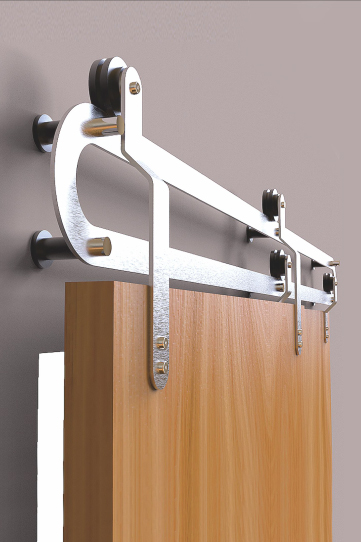
News
Contact Us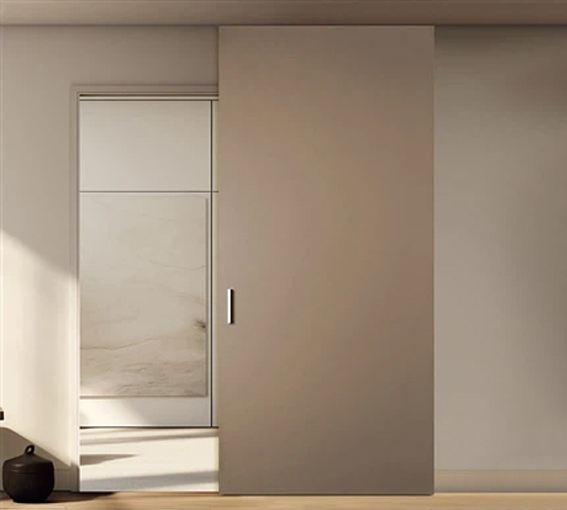
25
JULY
Ghost Door: A Revolutionary Innovation in Interior Door Design
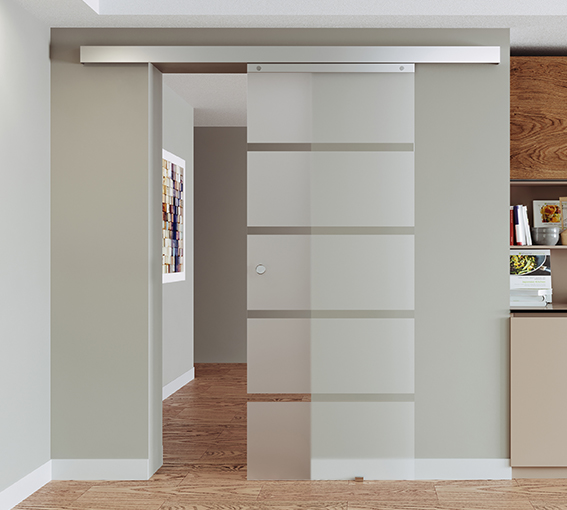
In the ever-evolving world of interior design, where functionality meets aesthetics, a new star has emerged – the ghost door. This innovative door design has been gaining significant attention for its ability to seamlessly blend into a space, creating a sense of openness and visual harmony. Unlike traditional doors that make a bold presence, ghost doors offer a subtle and elegant solution, redefining how we perceive and use doors in our living and working environments.
What is a Ghost Door?
A ghost door, also known as a invisible door in Chinese, is a type of door that is designed to blend in with its surrounding wall or partition, making it almost indistinguishable when closed. The key characteristic of a ghost door is its ability to “disappear” into the background, creating a smooth and unbroken surface. This is achieved through careful design and craftsmanship, where the door panel is made to match the wall’s color, texture, and finish perfectly. The hardware, such as hinges and handles, is either concealed or designed to be minimalistic, further enhancing the door’s invisible effect.
The Unique Structure of Ghost Doors
The structure of a ghost door is what sets it apart from conventional doors. It typically consists of a door slab that is mounted on a special hinge system, allowing it to swing open and close smoothly. The hinges are often hidden within the door frame or the wall, eliminating the need for visible hardware that would break the door’s seamless appearance. In some cases, ghost doors may also use a pivot hinge system, which allows the door to rotate on a central axis, reducing the need for a traditional door frame and creating an even more streamlined look.
Another important aspect of the ghost door’s structure is the way it fits into the wall. The door is installed with very tight tolerances, ensuring that there are no visible gaps between the door and the wall when closed. This requires precise measurements and expert installation to achieve the desired effect. Additionally, the door panel is often made from materials that are similar to the wall, such as drywall, wood, or plaster, making it easier to match the texture and finish.
Advantages of Ghost Doors
Space-saving: Ghost doors do not require a traditional door swing radius, making them ideal for small spaces. Since they blend into the wall, they do not take up visual space, creating a more open and spacious feel in a room.
Aesthetic appeal: By disappearing into the wall, ghost doors create a clean and uncluttered look. They are perfect for minimalist and modern interior designs, where simplicity and visual harmony are key. They can also be used to create a sense of mystery and intrigue, as the door’s presence is not immediately obvious.
Flexible partitioning: Ghost doors allow for flexible partitioning of space. They can be used to separate different areas, such as a home office from a living room, without creating a visual barrier. When closed, they provide privacy, and when open, they allow for an open flow of space.
Concealment of unsightly areas: Ghost doors are often used to hide unsightly areas such as storage rooms, utility closets, or home theaters. By blending in with the wall, they keep these areas out of sight, maintaining the overall aesthetic of the space.
Applications of Ghost Doors
Ghost doors are versatile and can be used in a variety of settings, both residential and commercial. In residential spaces, they are commonly used in living rooms, bedrooms, and home offices. For example, a ghost door can be used to separate a home office from the living area, allowing for privacy when needed while keeping the space open and connected when the door is open. In bedrooms, ghost doors can be used to hide a walk-in closet, creating a more streamlined and elegant look.
In commercial spaces, ghost doors are often used in hotels, restaurants, and retail stores. In hotels, they can be used to hide service areas or storage rooms, maintaining a clean and sophisticated look in the guest areas. In restaurants, ghost doors can be used to separate private dining rooms from the main dining area, providing flexibility in seating arrangements. In retail stores, they can be used to hide stockrooms or back-of-house areas, keeping the focus on the merchandise.
Market Prospects of Ghost Doors
As interior design trends continue to lean towards minimalism and open-concept spaces, the demand for ghost doors is expected to grow. More and more homeowners and designers are recognizing the benefits of ghost doors in creating a clean and uncluttered look. The market for ghost doors is also being driven by advancements in door hardware and materials, which make it easier to achieve the seamless look that ghost doors are known for.
Manufacturers are responding to this demand by offering a wide range of ghost door options, including different materials, finishes, and sizes. From traditional wood to modern materials like glass and metal, there is a ghost door to suit every design style. Additionally, custom-made ghost doors are becoming more popular, allowing homeowners and designers to create a door that perfectly matches their specific needs and aesthetic preferences.
In conclusion, ghost doors represent a revolutionary innovation in interior door design. Their ability to blend into the background, save space, and enhance the aesthetic appeal of a space makes them a popular choice for modern interiors. As the market continues to grow and evolve, we can expect to see even more creative and innovative uses of ghost doors in the future, further transforming the way we design and experience our living and working environments.
What is a Ghost Door?
A ghost door, also known as a invisible door in Chinese, is a type of door that is designed to blend in with its surrounding wall or partition, making it almost indistinguishable when closed. The key characteristic of a ghost door is its ability to “disappear” into the background, creating a smooth and unbroken surface. This is achieved through careful design and craftsmanship, where the door panel is made to match the wall’s color, texture, and finish perfectly. The hardware, such as hinges and handles, is either concealed or designed to be minimalistic, further enhancing the door’s invisible effect.
The Unique Structure of Ghost Doors
The structure of a ghost door is what sets it apart from conventional doors. It typically consists of a door slab that is mounted on a special hinge system, allowing it to swing open and close smoothly. The hinges are often hidden within the door frame or the wall, eliminating the need for visible hardware that would break the door’s seamless appearance. In some cases, ghost doors may also use a pivot hinge system, which allows the door to rotate on a central axis, reducing the need for a traditional door frame and creating an even more streamlined look.
Another important aspect of the ghost door’s structure is the way it fits into the wall. The door is installed with very tight tolerances, ensuring that there are no visible gaps between the door and the wall when closed. This requires precise measurements and expert installation to achieve the desired effect. Additionally, the door panel is often made from materials that are similar to the wall, such as drywall, wood, or plaster, making it easier to match the texture and finish.
Advantages of Ghost Doors
Space-saving: Ghost doors do not require a traditional door swing radius, making them ideal for small spaces. Since they blend into the wall, they do not take up visual space, creating a more open and spacious feel in a room.
Aesthetic appeal: By disappearing into the wall, ghost doors create a clean and uncluttered look. They are perfect for minimalist and modern interior designs, where simplicity and visual harmony are key. They can also be used to create a sense of mystery and intrigue, as the door’s presence is not immediately obvious.
Flexible partitioning: Ghost doors allow for flexible partitioning of space. They can be used to separate different areas, such as a home office from a living room, without creating a visual barrier. When closed, they provide privacy, and when open, they allow for an open flow of space.
Concealment of unsightly areas: Ghost doors are often used to hide unsightly areas such as storage rooms, utility closets, or home theaters. By blending in with the wall, they keep these areas out of sight, maintaining the overall aesthetic of the space.
Applications of Ghost Doors
Ghost doors are versatile and can be used in a variety of settings, both residential and commercial. In residential spaces, they are commonly used in living rooms, bedrooms, and home offices. For example, a ghost door can be used to separate a home office from the living area, allowing for privacy when needed while keeping the space open and connected when the door is open. In bedrooms, ghost doors can be used to hide a walk-in closet, creating a more streamlined and elegant look.
In commercial spaces, ghost doors are often used in hotels, restaurants, and retail stores. In hotels, they can be used to hide service areas or storage rooms, maintaining a clean and sophisticated look in the guest areas. In restaurants, ghost doors can be used to separate private dining rooms from the main dining area, providing flexibility in seating arrangements. In retail stores, they can be used to hide stockrooms or back-of-house areas, keeping the focus on the merchandise.
Market Prospects of Ghost Doors
As interior design trends continue to lean towards minimalism and open-concept spaces, the demand for ghost doors is expected to grow. More and more homeowners and designers are recognizing the benefits of ghost doors in creating a clean and uncluttered look. The market for ghost doors is also being driven by advancements in door hardware and materials, which make it easier to achieve the seamless look that ghost doors are known for.
Manufacturers are responding to this demand by offering a wide range of ghost door options, including different materials, finishes, and sizes. From traditional wood to modern materials like glass and metal, there is a ghost door to suit every design style. Additionally, custom-made ghost doors are becoming more popular, allowing homeowners and designers to create a door that perfectly matches their specific needs and aesthetic preferences.
In conclusion, ghost doors represent a revolutionary innovation in interior door design. Their ability to blend into the background, save space, and enhance the aesthetic appeal of a space makes them a popular choice for modern interiors. As the market continues to grow and evolve, we can expect to see even more creative and innovative uses of ghost doors in the future, further transforming the way we design and experience our living and working environments.
19
JULY
Advantages And Disadvantages Of PVC Surface Wood Doors
Advantages
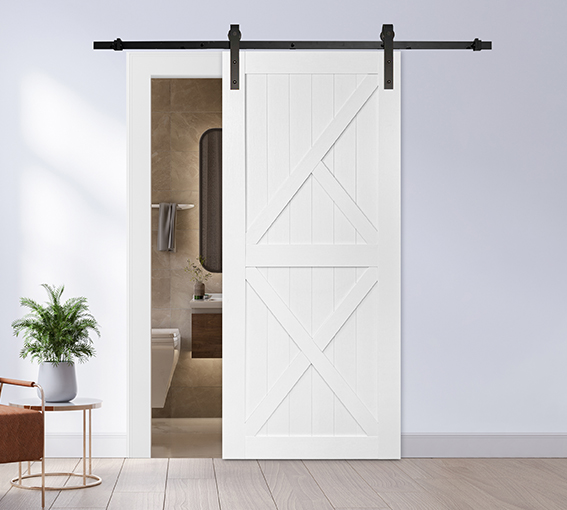
Excellent moisture resistance: PVC material itself is non-absorbent, making this type of wood door less prone to deformation, mildew, or rot in humid environments (such as bathrooms, kitchens, basements, etc.). Its service life is much longer than that of traditional solid wood doors or composite doors without special moisture-proof treatment.
Easy to clean and maintain: The PVC surface is smooth and does not absorb stains. Daily cleaning only requires wiping with a damp cloth. For families with children or pets, it can easily handle stains such as oil stains and graffiti, with low maintenance costs.
Wear resistance and impact resistance: The PVC surface has high hardness and toughness, which can effectively resist bumps and friction in daily use, reduce scratches and dents, and maintain the appearance of the door surface.
Rich appearance options: PVC surfaces can simulate various appearance effects such as solid wood texture, metal texture, and solid colors through processes like printing and embossing, meeting the needs of different decoration styles. Moreover, the color and texture have strong stability and are not easy to fade.
Affordable price: Compared with pure solid wood doors or high-end composite doors, PVC surface wood doors have lower production raw material and process costs, and their prices are more economical, suitable for decoration scenarios with limited budgets.
Stable environmental performance: High-quality PVC surface wood doors can control the release of harmful substances (such as formaldehyde) at a low level through treatment during production, meeting environmental protection standards. Additionally, PVC material itself is not easy to breed bacteria.
Disadvantages
Poor texture: Although it can simulate solid wood texture, the feel and weight of PVC material are different from natural wood. It lacks the warmth and thickness of solid wood, and has a relatively low sense of grade.
Insufficient high-temperature resistance: PVC material may deform, soften, or even melt in high-temperature environments (such as being close to fire sources or long-term direct exposure to heating), affecting service life and safety.
Difficult to repair: If the PVC surface is severely damaged (such as large-area scratches, cracks, or peeling), local repair is difficult, and the door panel usually needs to be replaced entirely, increasing maintenance costs.
Environmental controversies: Although high-quality products meet environmental standards, some low-quality PVC surfaces may use recycled materials or add harmful additives, releasing harmful substances during long-term use. Moreover, PVC materials are difficult to degrade after disposal, imposing a certain burden on the environment.
Average sound insulation effect: The core materials of PVC surface wood doors are mostly honeycomb paper, MDF, etc. Their sound insulation performance is usually not as good as that of solid wood doors or composite doors with solid filling. Spaces with high sound insulation requirements (such as bedrooms) may require additional treatment.
Excellent moisture resistance: PVC material itself is non-absorbent, making this type of wood door less prone to deformation, mildew, or rot in humid environments (such as bathrooms, kitchens, basements, etc.). Its service life is much longer than that of traditional solid wood doors or composite doors without special moisture-proof treatment.
Easy to clean and maintain: The PVC surface is smooth and does not absorb stains. Daily cleaning only requires wiping with a damp cloth. For families with children or pets, it can easily handle stains such as oil stains and graffiti, with low maintenance costs.
Wear resistance and impact resistance: The PVC surface has high hardness and toughness, which can effectively resist bumps and friction in daily use, reduce scratches and dents, and maintain the appearance of the door surface.
Rich appearance options: PVC surfaces can simulate various appearance effects such as solid wood texture, metal texture, and solid colors through processes like printing and embossing, meeting the needs of different decoration styles. Moreover, the color and texture have strong stability and are not easy to fade.
Affordable price: Compared with pure solid wood doors or high-end composite doors, PVC surface wood doors have lower production raw material and process costs, and their prices are more economical, suitable for decoration scenarios with limited budgets.
Stable environmental performance: High-quality PVC surface wood doors can control the release of harmful substances (such as formaldehyde) at a low level through treatment during production, meeting environmental protection standards. Additionally, PVC material itself is not easy to breed bacteria.
Disadvantages
Poor texture: Although it can simulate solid wood texture, the feel and weight of PVC material are different from natural wood. It lacks the warmth and thickness of solid wood, and has a relatively low sense of grade.
Insufficient high-temperature resistance: PVC material may deform, soften, or even melt in high-temperature environments (such as being close to fire sources or long-term direct exposure to heating), affecting service life and safety.
Difficult to repair: If the PVC surface is severely damaged (such as large-area scratches, cracks, or peeling), local repair is difficult, and the door panel usually needs to be replaced entirely, increasing maintenance costs.
Environmental controversies: Although high-quality products meet environmental standards, some low-quality PVC surfaces may use recycled materials or add harmful additives, releasing harmful substances during long-term use. Moreover, PVC materials are difficult to degrade after disposal, imposing a certain burden on the environment.
Average sound insulation effect: The core materials of PVC surface wood doors are mostly honeycomb paper, MDF, etc. Their sound insulation performance is usually not as good as that of solid wood doors or composite doors with solid filling. Spaces with high sound insulation requirements (such as bedrooms) may require additional treatment.
18
JULY
Core New Trend Of Shower Room
As the core element of modern bathroom space, the design trend of shower rooms continues to evolve, integrating functionality, aesthetics, technology, and personalized needs. Based on the new trends in shower rooms and other home furnishings, the following are some highlights worth paying attention to:
Core new trend of shower room
1.Minimalist frameless design:
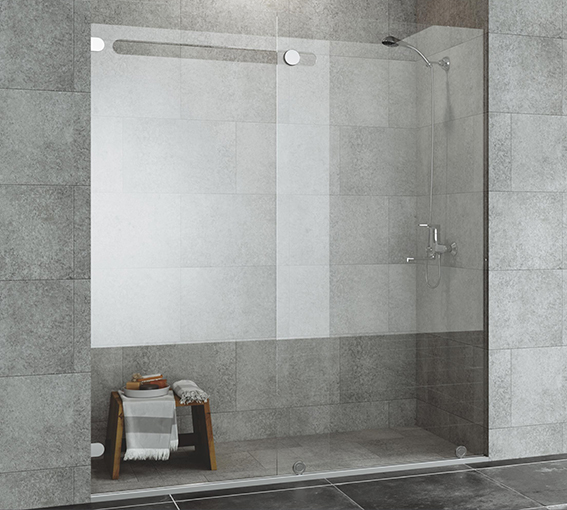
Features: Abandoning heavy metal frames, using finer or even invisible fasteners, and extensively using glass (usually ultra white glass or laminated safety glass).
Advantages: Visually more transparent and spacious, with a stronger sense of space, clean and crisp lines, perfectly matching modern minimalist, wabi sabi style and other popular styles.
Extension: frameless swing doors, frameless sliding doors, and even frameless fixed partitions paired with sunken designs.
2.Changhong Glass/Water Pattern Glass Application:
Features: Replace traditional transparent or frosted glass, increase texture and lighting effects.
Advantages: Providing better privacy while ensuring natural lighting, unique vertical stripes or ripples bring a retro and artistic atmosphere, becoming a part of space decoration.
3.Accessibility and Universal Design:
Features: Submerged shower room (without water barrier), embedded linear drainage trough, low or no threshold design.
Advantages: The ground is completely flat, eliminating the risk of tripping and making it convenient for the elderly, children, or those with limited mobility to use; Visual simplicity; Easy to clean.
Extension: Combined with anti slip tiles, foldable shower seats, and sturdy armrests.
4.Refined dry wet separation and three/four separation:
Features: The shower area, toilet area, washing area, changing area, and even laundry area are completely independent and separated.
Advantages: Greatly improve usage efficiency, especially suitable for multi family homes; Keep other areas dry and hygienic; Extend the lifespan of household items.
Shower room role: As a completely independent wet area partition, it requires higher sealing and drainage requirements.
5.Intelligent integration:
Features: Integrated intelligent showerhead (constant temperature, water-saving, multiple spray modes), Bluetooth speaker, ambient light, steam sauna function, intelligent defogging mirror, voice control, etc.
Advantages: Enhance the comfort, convenience, and entertainment of the bathing experience; Some functions, such as constant temperature, can enhance safety and energy efficiency.
Trend: The shower room itself may also integrate intelligent control panels or sensing devices (such as automatic door opening).
6.Diversification of materials and textures:
Glass: In addition to Changhong glass, there are also laminated glass, colored glass, digital printed pattern glass, etc.
Frame/Hardware: High quality textured hardware such as matte black, gun gray, gold, and brushed nickel have become mainstream, replacing shiny chrome plating.
Wall/floor: Large scale imitation stone tiles, rock slabs, and micro cement applications, pursuing a sense of integrity and high-end texture.
7.Multi functionality and storage integration:
Features: The shower room is designed with niches (multi-layered, sloping), embedded shelves, adjustable shower bar, and even integrated storage space under the seats.
Advantages: Maximizing space utilization, keeping the shower area clean and orderly, and making shower products within reach.
Core new trend of shower room
1.Minimalist frameless design:
Features: Abandoning heavy metal frames, using finer or even invisible fasteners, and extensively using glass (usually ultra white glass or laminated safety glass).
Advantages: Visually more transparent and spacious, with a stronger sense of space, clean and crisp lines, perfectly matching modern minimalist, wabi sabi style and other popular styles.
Extension: frameless swing doors, frameless sliding doors, and even frameless fixed partitions paired with sunken designs.
2.Changhong Glass/Water Pattern Glass Application:
Features: Replace traditional transparent or frosted glass, increase texture and lighting effects.
Advantages: Providing better privacy while ensuring natural lighting, unique vertical stripes or ripples bring a retro and artistic atmosphere, becoming a part of space decoration.
3.Accessibility and Universal Design:
Features: Submerged shower room (without water barrier), embedded linear drainage trough, low or no threshold design.
Advantages: The ground is completely flat, eliminating the risk of tripping and making it convenient for the elderly, children, or those with limited mobility to use; Visual simplicity; Easy to clean.
Extension: Combined with anti slip tiles, foldable shower seats, and sturdy armrests.
4.Refined dry wet separation and three/four separation:
Features: The shower area, toilet area, washing area, changing area, and even laundry area are completely independent and separated.
Advantages: Greatly improve usage efficiency, especially suitable for multi family homes; Keep other areas dry and hygienic; Extend the lifespan of household items.
Shower room role: As a completely independent wet area partition, it requires higher sealing and drainage requirements.
5.Intelligent integration:
Features: Integrated intelligent showerhead (constant temperature, water-saving, multiple spray modes), Bluetooth speaker, ambient light, steam sauna function, intelligent defogging mirror, voice control, etc.
Advantages: Enhance the comfort, convenience, and entertainment of the bathing experience; Some functions, such as constant temperature, can enhance safety and energy efficiency.
Trend: The shower room itself may also integrate intelligent control panels or sensing devices (such as automatic door opening).
6.Diversification of materials and textures:
Glass: In addition to Changhong glass, there are also laminated glass, colored glass, digital printed pattern glass, etc.
Frame/Hardware: High quality textured hardware such as matte black, gun gray, gold, and brushed nickel have become mainstream, replacing shiny chrome plating.
Wall/floor: Large scale imitation stone tiles, rock slabs, and micro cement applications, pursuing a sense of integrity and high-end texture.
7.Multi functionality and storage integration:
Features: The shower room is designed with niches (multi-layered, sloping), embedded shelves, adjustable shower bar, and even integrated storage space under the seats.
Advantages: Maximizing space utilization, keeping the shower area clean and orderly, and making shower products within reach.
27
JUNE
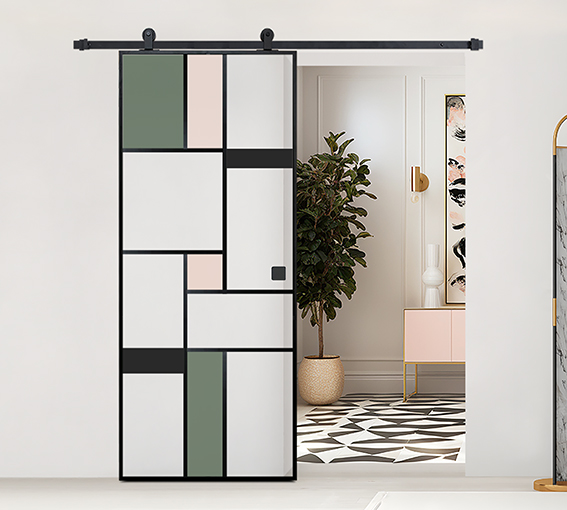
Why Colored Glass Barn Doors Cannot Be Used As Bathroom Doors
1.Inadequate Waterproof and Moisture-proof Performance
Barn doors are installed with an external track design, leaving gaps between the door panel and the wall or floor, which fails to form a closed space. In the bathroom environment filled with water vapor, long-term use will cause water vapor to seep into the gaps, which may not only make the track rust and the pulley stuck, but also make the wooden door panel 受潮变形 (damp and deformed) and the glass sealant strip aging, affecting the service life and safety of the door.
2.Flaws in Privacy Protection
Even if the colored glass has patterns or frosted effects, its light transmittance may still cause the internal outline of the bathroom to be vaguely revealed, failing to fully protect privacy. Especially when the bathroom light is on, the light transmittance of the glass will be further enhanced, and the risk of privacy leakage is higher. As a private space, the bathroom has extremely high requirements for privacy protection.
3.Difficulties in Cleaning and Maintenance
Scale, soap scum and other stains are prone to generate in the bathroom, and the surface of colored glass needs to be wiped frequently if stained. The external track is easy to accumulate dust, hair other debris, and it is very inconvenient to clean due to the high installation position or special structure. Long-term accumulation of stains not only affects the appearance, but also may breed bacteria, which does not meet the hygiene requirements of the bathroom.
4.Space Adaptability Issues
The opening method of the barn door requires reserving enough sliding space on the outer side of the wall, but the bathroom is usually a small space, especially in a small bathroom, difficult to meet this installation condition. In addition, facilities such as towel racks and shelves may need to be installed in the bathroom, and the sliding track of the barn door may conflict with them, affecting the convenience.
Barn doors are installed with an external track design, leaving gaps between the door panel and the wall or floor, which fails to form a closed space. In the bathroom environment filled with water vapor, long-term use will cause water vapor to seep into the gaps, which may not only make the track rust and the pulley stuck, but also make the wooden door panel 受潮变形 (damp and deformed) and the glass sealant strip aging, affecting the service life and safety of the door.
2.Flaws in Privacy Protection
Even if the colored glass has patterns or frosted effects, its light transmittance may still cause the internal outline of the bathroom to be vaguely revealed, failing to fully protect privacy. Especially when the bathroom light is on, the light transmittance of the glass will be further enhanced, and the risk of privacy leakage is higher. As a private space, the bathroom has extremely high requirements for privacy protection.
3.Difficulties in Cleaning and Maintenance
Scale, soap scum and other stains are prone to generate in the bathroom, and the surface of colored glass needs to be wiped frequently if stained. The external track is easy to accumulate dust, hair other debris, and it is very inconvenient to clean due to the high installation position or special structure. Long-term accumulation of stains not only affects the appearance, but also may breed bacteria, which does not meet the hygiene requirements of the bathroom.
4.Space Adaptability Issues
The opening method of the barn door requires reserving enough sliding space on the outer side of the wall, but the bathroom is usually a small space, especially in a small bathroom, difficult to meet this installation condition. In addition, facilities such as towel racks and shelves may need to be installed in the bathroom, and the sliding track of the barn door may conflict with them, affecting the convenience.
22
MAY
Electric Lift Four – Legged Dining Table
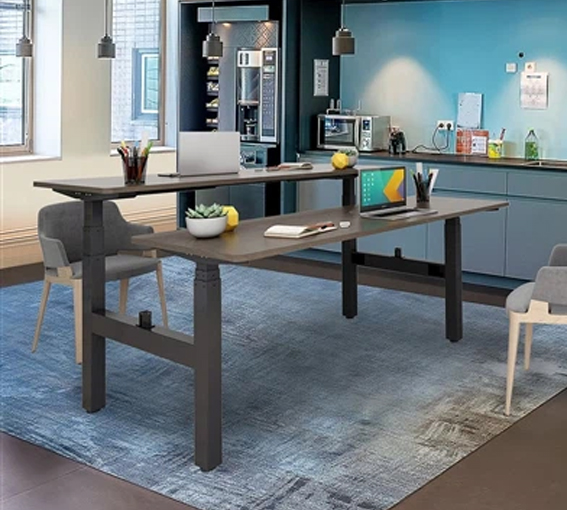
Electric lift four – legged dining tables are designed to provide both functionality and style for modern dining spaces. Here is an introduction to them:
Structure and Design
Tabletop: Usually made of high – quality materials such as solid wood, tempered glass, or artificial stone. Solid wood tabletops offer a warm and natural look, while tempered glass ones give a sense of lightness and modernity. Artificial stone tabletops are known for their durability and easy – to – clean surface. The tabletop comes in various shapes, including rectangular, square, and round, to meet different dining room layouts and user preferences.
Legs: The four legs of the table are typically made of metal or wood. Metal legs, such as those made of stainless steel or aluminum alloy, are strong and durable, often featuring a sleek and modern design. Wooden legs, on the other hand, can add a touch of warmth and elegance to the table. The legs are designed to provide stable support for the tabletop, ensuring the safety and stability of the dining table during use.
Lifting Mechanism: The core of the electric lift dining table is its lifting mechanism. It usually consists of electric motors, screw rods, and linkages. This mechanism enables the tabletop to be smoothly raised or lowered to different heights. Some advanced models may use more sophisticated linear actuator systems to ensure precise and quiet height adjustment.
Functions and Advantages
Adjustable Height: The most significant feature of the electric lift four – legged dining table is its ability to adjust the height. It can be easily adjusted to a suitable height for different dining scenarios. For example, it can be set to a lower height for children to eat comfortably or raised to a higher height for adults to use while standing or when using taller chairs. This adjustability also makes it suitable for various occasions, such as formal dinners, casual gatherings, or even as a temporary workstation.
Comfort and Ergonomics: By allowing users to adjust the height of the dining table, it helps to improve the dining experience and ergonomics. Users can find the most comfortable height that suits their body posture, reducing the strain on the back and neck. This is especially beneficial for people with back problems or those who prefer to have more control over their sitting or standing positions during meals.
Multifunctionality: In addition to being used as a dining table, its adjustable height makes it a versatile piece of furniture. It can be converted into a worktable for doing paperwork, a crafting table for hobbies, or even a display table for exhibitions. This multifunctionality maximizes the use of space and the value of the furniture, making it a practical choice for those who want to get more out of their living space.
Easy to Operate: Electric lift dining tables are equipped with user – friendly control panels. These panels are usually located on the side of the table or can be integrated into the tabletop for a more seamless look. They typically feature simple button – type or touch – screen controls, allowing users to easily adjust the height with just a few clicks. Some models may also come with additional functions, such as memory settings, which enable users to quickly return the table to their frequently used heights.
Applications
Family Dining Rooms: In family homes, electric lift four – legged dining tables are ideal for daily family meals. The adjustable height can accommodate the needs of family members of different ages and heights, ensuring everyone can dine comfortably. It also provides flexibility for different dining habits, such as having a low – height meal for a more relaxed atmosphere or raising the table for a more formal dinner setting.
Restaurants and Cafes: In commercial dining establishments, these tables can be used to create different dining experiences for customers. They can be adjusted to suit different types of seating arrangements and customer preferences. For example, in a café – style setting, the tables can be set to a lower height to give a more casual and cozy atmosphere, while in a fine – dining restaurant, they can be raised to a more appropriate height for a formal dining experience.
Home Offices and Studios: In home offices or studios, an electric lift dining table can serve as a flexible workstation. It allows users to switch between sitting and standing work postures, which is beneficial for improving productivity and reducing the negative effects of long – term sitting. It can also be used as a meeting table for small – scale meetings or a drafting table for artists and designers.
Electric lift four – legged dining tables combine the practicality of adjustable height with the elegance and functionality of a traditional dining table, offering a modern and flexible solution for various dining and living needs.
Structure and Design
Tabletop: Usually made of high – quality materials such as solid wood, tempered glass, or artificial stone. Solid wood tabletops offer a warm and natural look, while tempered glass ones give a sense of lightness and modernity. Artificial stone tabletops are known for their durability and easy – to – clean surface. The tabletop comes in various shapes, including rectangular, square, and round, to meet different dining room layouts and user preferences.
Legs: The four legs of the table are typically made of metal or wood. Metal legs, such as those made of stainless steel or aluminum alloy, are strong and durable, often featuring a sleek and modern design. Wooden legs, on the other hand, can add a touch of warmth and elegance to the table. The legs are designed to provide stable support for the tabletop, ensuring the safety and stability of the dining table during use.
Lifting Mechanism: The core of the electric lift dining table is its lifting mechanism. It usually consists of electric motors, screw rods, and linkages. This mechanism enables the tabletop to be smoothly raised or lowered to different heights. Some advanced models may use more sophisticated linear actuator systems to ensure precise and quiet height adjustment.
Functions and Advantages
Adjustable Height: The most significant feature of the electric lift four – legged dining table is its ability to adjust the height. It can be easily adjusted to a suitable height for different dining scenarios. For example, it can be set to a lower height for children to eat comfortably or raised to a higher height for adults to use while standing or when using taller chairs. This adjustability also makes it suitable for various occasions, such as formal dinners, casual gatherings, or even as a temporary workstation.
Comfort and Ergonomics: By allowing users to adjust the height of the dining table, it helps to improve the dining experience and ergonomics. Users can find the most comfortable height that suits their body posture, reducing the strain on the back and neck. This is especially beneficial for people with back problems or those who prefer to have more control over their sitting or standing positions during meals.
Multifunctionality: In addition to being used as a dining table, its adjustable height makes it a versatile piece of furniture. It can be converted into a worktable for doing paperwork, a crafting table for hobbies, or even a display table for exhibitions. This multifunctionality maximizes the use of space and the value of the furniture, making it a practical choice for those who want to get more out of their living space.
Easy to Operate: Electric lift dining tables are equipped with user – friendly control panels. These panels are usually located on the side of the table or can be integrated into the tabletop for a more seamless look. They typically feature simple button – type or touch – screen controls, allowing users to easily adjust the height with just a few clicks. Some models may also come with additional functions, such as memory settings, which enable users to quickly return the table to their frequently used heights.
Applications
Family Dining Rooms: In family homes, electric lift four – legged dining tables are ideal for daily family meals. The adjustable height can accommodate the needs of family members of different ages and heights, ensuring everyone can dine comfortably. It also provides flexibility for different dining habits, such as having a low – height meal for a more relaxed atmosphere or raising the table for a more formal dinner setting.
Restaurants and Cafes: In commercial dining establishments, these tables can be used to create different dining experiences for customers. They can be adjusted to suit different types of seating arrangements and customer preferences. For example, in a café – style setting, the tables can be set to a lower height to give a more casual and cozy atmosphere, while in a fine – dining restaurant, they can be raised to a more appropriate height for a formal dining experience.
Home Offices and Studios: In home offices or studios, an electric lift dining table can serve as a flexible workstation. It allows users to switch between sitting and standing work postures, which is beneficial for improving productivity and reducing the negative effects of long – term sitting. It can also be used as a meeting table for small – scale meetings or a drafting table for artists and designers.
Electric lift four – legged dining tables combine the practicality of adjustable height with the elegance and functionality of a traditional dining table, offering a modern and flexible solution for various dining and living needs.
28
FEBRUARY
Global And China Barn Door Industry In – Depth Research And Prospect Report (2024 – 2030)
I.Introduction
1.1 Research Background and Objectives
Elaborate on the background of researching the barn door industry, such as the growth of market demand and changes in design styles. Explain that the research aims to comprehensively analyze the current situation and trends of the industry.
1.2 Research Scope and Methods
Define the definition of barn doors in the report, the product types, application fields, and geographical regions covered by the research, and introduce the research methods used.
II. Overview of the Barn Door Industry
2.1 Definition and Characteristics of Barn Doors
Explain the definition of barn doors, describe their appearance, opening methods and other characteristics, as well as the differences from traditional doors.
2.2 Classification of Barn Doors
2.2.1 Classification by Material
List barn doors made of wood, glass, PVC, etc. Analyze the characteristics, advantages, disadvantages, and applicable scenarios of different materials.
2.2.2 Classification by Application Scenarios
Elaborate on the application of barn doors in residential buildings (such as bedrooms, kitchens, bathrooms, etc.) and commercial spaces (such as offices, stores, etc.).
2.3 Analysis of the Barn Door Industry Chain
Introduce the upstream and downstream industries of the barn door industry, such as raw material suppliers, hardware accessory manufacturers, distributors, and decoration companies.
III. Analysis of the Global Barn Door Market
3.1 Market Size and Growth Trends
Present the scale data of the global barn door market in the past few years, analyze the growth trend of the market size, and predict the future market size.
3.2 Regional Market Analysis
3.2.1 North American Market
Analyze the market size, growth trend, market demand characteristics, and competitive landscape of barn doors in countries such as the United States and Canada.
3.2.2 European Market
Explore the development status, market share, and major competing enterprises of the barn door market in countries such as Germany, France, and the United Kingdom.
3.2.3 Asian Market
Study the market size, growth potential, market demand, and competitive situation of barn doors in countries such as China, Japan, and South Korea.
3.2.4 Markets in Other Regions
Briefly describe the development and market prospects of the barn door market in regions such as South America, the Middle East, and Africa.
IV.Analysis of the Chinese Barn Door Market
4.1 Market Size and Growth Trends
Show the scale data of the Chinese barn door market in the past few years, analyze the growth trend of the market size, and predict the future market size.
4.2 Market Demand Analysis
4.2.1 Consumer Demand Characteristics
Analyze the characteristics of consumers’ demand for barn doors, such as requirements for aesthetics, practicality, and space – saving.
4.2.2 Market Demand Driving Factors
Discuss the impacts of factors such as the acceleration of urbanization, the increase in residents’ income levels, and changes in home decoration styles on the market demand for barn doors.
4.3 Market Competition Pattern
4.3.1 Analysis of Major Enterprises
Introduce the basic information, product characteristics, and market share of major domestic barn door manufacturers such as Suofeiya, Huahe Group, and Oppein Home.
4.3.2 Market Concentration Analysis
Analyze the concentration of the Chinese barn door market and judge the intensity of market competition.
4.4 Analysis of Import and Export Situation
Present the import and export data of Chinese barn doors, and analyze the scale, growth trend, and major trading countries of the import and export markets.
V.Development Trends of the Barn Door Industry
5.1 Product Innovation Trends
Explore the innovation trends of barn doors in terms of materials, design, and functions, such as the development of smart barn doors.
5.2 Market Demand Trends
Analyze the market demand trends for barn doors, such as the increasing demand for environmentally friendly, personalized, and customized barn doors.
5.3 Technological Development Trends
Introduce the development trends of barn door production technologies, such as the application of automated production technologies and 3D printing technologies in barn door production.
VI. Challenges and Opportunities Faced by the Barn Door Industry
6.1 Challenges
Analyze the impacts of issues such as fluctuations in raw material prices, intense market competition, and uneven product quality on the development of the barn door industry.
6.2 Opportunities
Discuss the development opportunities brought to the barn door industry by policy support, consumption upgrading, and the development of e – commerce platforms.
VII. Investment Recommendations for the Barn Door Industry
7.1 Investment Risk Analysis
Analyze the investment risks of the barn door industry, such as market risks, technological risks, and policy risks.
7.2 Investment Recommendations
Based on industry development trends and market demand, provide investment recommendations for investors in the barn door industry.
VIII. Conclusion
8.1 Research Summary
Summarize the research content of the barn door industry, including market size, competitive landscape, and development trends.
8.2 Research Outlook
Look ahead to the future research directions and key points of the barn door industry.
1.1 Research Background and Objectives
Elaborate on the background of researching the barn door industry, such as the growth of market demand and changes in design styles. Explain that the research aims to comprehensively analyze the current situation and trends of the industry.
1.2 Research Scope and Methods
Define the definition of barn doors in the report, the product types, application fields, and geographical regions covered by the research, and introduce the research methods used.
II. Overview of the Barn Door Industry
2.1 Definition and Characteristics of Barn Doors
Explain the definition of barn doors, describe their appearance, opening methods and other characteristics, as well as the differences from traditional doors.
2.2 Classification of Barn Doors
2.2.1 Classification by Material
List barn doors made of wood, glass, PVC, etc. Analyze the characteristics, advantages, disadvantages, and applicable scenarios of different materials.
2.2.2 Classification by Application Scenarios
Elaborate on the application of barn doors in residential buildings (such as bedrooms, kitchens, bathrooms, etc.) and commercial spaces (such as offices, stores, etc.).
2.3 Analysis of the Barn Door Industry Chain
Introduce the upstream and downstream industries of the barn door industry, such as raw material suppliers, hardware accessory manufacturers, distributors, and decoration companies.
III. Analysis of the Global Barn Door Market
3.1 Market Size and Growth Trends
Present the scale data of the global barn door market in the past few years, analyze the growth trend of the market size, and predict the future market size.
3.2 Regional Market Analysis
3.2.1 North American Market
Analyze the market size, growth trend, market demand characteristics, and competitive landscape of barn doors in countries such as the United States and Canada.
3.2.2 European Market
Explore the development status, market share, and major competing enterprises of the barn door market in countries such as Germany, France, and the United Kingdom.
3.2.3 Asian Market
Study the market size, growth potential, market demand, and competitive situation of barn doors in countries such as China, Japan, and South Korea.
3.2.4 Markets in Other Regions
Briefly describe the development and market prospects of the barn door market in regions such as South America, the Middle East, and Africa.
IV.Analysis of the Chinese Barn Door Market
4.1 Market Size and Growth Trends
Show the scale data of the Chinese barn door market in the past few years, analyze the growth trend of the market size, and predict the future market size.
4.2 Market Demand Analysis
4.2.1 Consumer Demand Characteristics
Analyze the characteristics of consumers’ demand for barn doors, such as requirements for aesthetics, practicality, and space – saving.
4.2.2 Market Demand Driving Factors
Discuss the impacts of factors such as the acceleration of urbanization, the increase in residents’ income levels, and changes in home decoration styles on the market demand for barn doors.
4.3 Market Competition Pattern
4.3.1 Analysis of Major Enterprises
Introduce the basic information, product characteristics, and market share of major domestic barn door manufacturers such as Suofeiya, Huahe Group, and Oppein Home.
4.3.2 Market Concentration Analysis
Analyze the concentration of the Chinese barn door market and judge the intensity of market competition.
4.4 Analysis of Import and Export Situation
Present the import and export data of Chinese barn doors, and analyze the scale, growth trend, and major trading countries of the import and export markets.
V.Development Trends of the Barn Door Industry
5.1 Product Innovation Trends
Explore the innovation trends of barn doors in terms of materials, design, and functions, such as the development of smart barn doors.
5.2 Market Demand Trends
Analyze the market demand trends for barn doors, such as the increasing demand for environmentally friendly, personalized, and customized barn doors.
5.3 Technological Development Trends
Introduce the development trends of barn door production technologies, such as the application of automated production technologies and 3D printing technologies in barn door production.
VI. Challenges and Opportunities Faced by the Barn Door Industry
6.1 Challenges
Analyze the impacts of issues such as fluctuations in raw material prices, intense market competition, and uneven product quality on the development of the barn door industry.
6.2 Opportunities
Discuss the development opportunities brought to the barn door industry by policy support, consumption upgrading, and the development of e – commerce platforms.
VII. Investment Recommendations for the Barn Door Industry
7.1 Investment Risk Analysis
Analyze the investment risks of the barn door industry, such as market risks, technological risks, and policy risks.
7.2 Investment Recommendations
Based on industry development trends and market demand, provide investment recommendations for investors in the barn door industry.
VIII. Conclusion
8.1 Research Summary
Summarize the research content of the barn door industry, including market size, competitive landscape, and development trends.
8.2 Research Outlook
Look ahead to the future research directions and key points of the barn door industry.
21
FEBRUARY
The New Trend Of Barn Doors
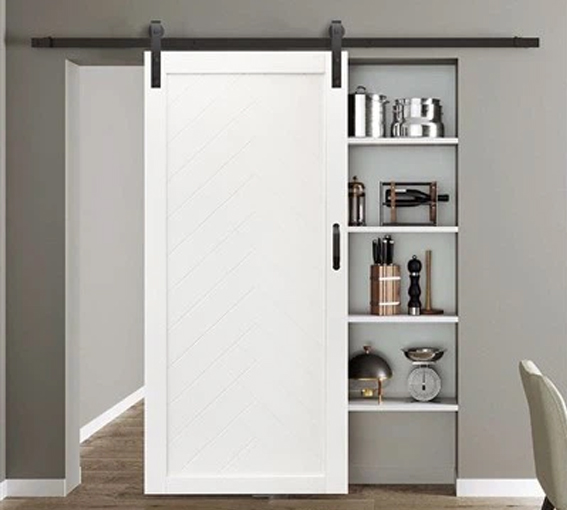
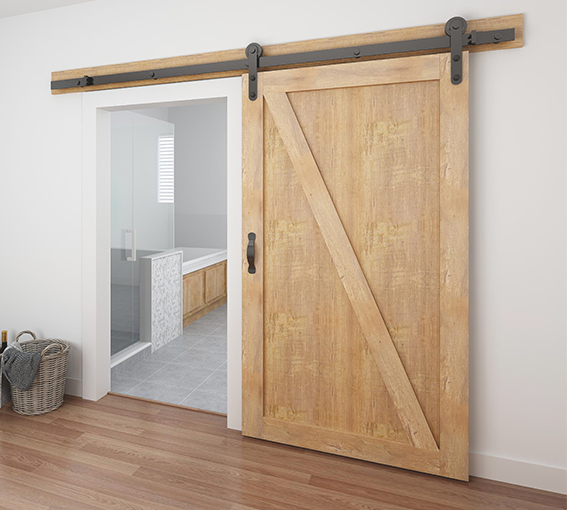
In recent years, Barn Doors have continued to be popular in home design due to their space saving and unique style, giving rise to many innovative designs and functional upgrades. Here are some noteworthy new trends and innovative designs:
Innovation in materials and craftsmanship
Mixed material
Traditional barn doors are mostly made of solid wood or old wood. Nowadays, it is popular to combine wood with metal (such as brass, black iron), glass (frosted, colored glass), acrylic or concrete to create a modern industrial or minimalist style.
Environmentally friendly materials
The use of recycled wood, bamboo, or sustainable composite materials caters to the trend of eco-friendly homes.
3D texture
Surface carving of geometric patterns, plant reliefs, or abstract lines enhances visual layering.
2.Breakthroughs in Color and Coating
Dark color scheme and contrasting colors
Dark tones such as black, dark green, and deep blue have become popular, and pairing them with gold hardware adds a sense of luxury; Bright colors such as mustard yellow and coral powder are suitable for Nordic or retro styles.
Gradient and Artistic Painting
Gradient colors, terrazzo textures, and hand drawn patterns (such as plants and abstract paintings) make the door the focal point of the space.
Invisible design
The door panel is the same color as the wall or made of mirror material, which weakens the presence and is suitable for small spaces.
3.Functional upgrade
Intelligent barn door
Integrated electric slide rail, supporting mobile APP, voice control (such as connecting to smart home system), or equipped with induction switch.
Sound insulation optimization
Thicken the door body, fill it with soundproof materials (such as cork, soundproof cotton), or add buffering devices at the sliding rail to enhance privacy.
Multi functional design
Hidden storage shelves, folding tables, or magnetic whiteboards behind the door;
Double sided design (one mirror, one blackboard);
The expandable and foldable “double door linkage” structure is suitable for wider door openings.
4.Structural innovation
Curved slide rail
Breaking through the straight line sliding, the track is designed in an arc shape, allowing the door to open and close along the curve, suitable for special layouts.
Suspended design
Hide the slide rail or use a minimalist hanging rail to create a “floating” visual effect.
Double door overlapping sliding
The two doors slide alternately, saving space while increasing design sense.
5.Diversified styles
Extremely simple style
Frameless flat door with monochrome design, paired with invisible handles, suitable for modern home decor.
Retro industrial style
Rusted metal frame, rivet decoration, distressed wood, paired with exposed gear rails.
Japanese Zen philosophy
Natural wood+rice paper or rattan woven panel, paired with matte black track.
Artistic customization
Hand drawn doors and digital printed patterns (such as landscapes and starry skies) in collaboration with artists.
6.Application scenario extension
Indoor and outdoor universal
The barn door with waterproof and moisture-proof treatment is used for balcony and courtyard partitions.
Replace traditional door types
As a wardrobe door, kitchen partition or bathroom door (pay attention to moisture prevention);
Ultra narrow barn doors are used for small spaces such as storage rooms and laundry rooms.
7.Selection and Design Suggestions
Measuring space
Ensure that there is enough space on the wall to install sliding rails, and that doors do not obstruct furniture or appliances when sliding.
Quality of hardware components
The smoothness and load-bearing capacity of slides and rollers directly affect their service life.
Style matching
Choose the door design based on the overall home style to avoid abruptness.
These new designs make barn doors not only functional partitions, but also a part of home art. If you want to pursue personalization, you can also consider customized design that perfectly integrates the door with the spatial theme.
Innovation in materials and craftsmanship
Mixed material
Traditional barn doors are mostly made of solid wood or old wood. Nowadays, it is popular to combine wood with metal (such as brass, black iron), glass (frosted, colored glass), acrylic or concrete to create a modern industrial or minimalist style.
Environmentally friendly materials
The use of recycled wood, bamboo, or sustainable composite materials caters to the trend of eco-friendly homes.
3D texture
Surface carving of geometric patterns, plant reliefs, or abstract lines enhances visual layering.
2.Breakthroughs in Color and Coating
Dark color scheme and contrasting colors
Dark tones such as black, dark green, and deep blue have become popular, and pairing them with gold hardware adds a sense of luxury; Bright colors such as mustard yellow and coral powder are suitable for Nordic or retro styles.
Gradient and Artistic Painting
Gradient colors, terrazzo textures, and hand drawn patterns (such as plants and abstract paintings) make the door the focal point of the space.
Invisible design
The door panel is the same color as the wall or made of mirror material, which weakens the presence and is suitable for small spaces.
3.Functional upgrade
Intelligent barn door
Integrated electric slide rail, supporting mobile APP, voice control (such as connecting to smart home system), or equipped with induction switch.
Sound insulation optimization
Thicken the door body, fill it with soundproof materials (such as cork, soundproof cotton), or add buffering devices at the sliding rail to enhance privacy.
Multi functional design
Hidden storage shelves, folding tables, or magnetic whiteboards behind the door;
Double sided design (one mirror, one blackboard);
The expandable and foldable “double door linkage” structure is suitable for wider door openings.
4.Structural innovation
Curved slide rail
Breaking through the straight line sliding, the track is designed in an arc shape, allowing the door to open and close along the curve, suitable for special layouts.
Suspended design
Hide the slide rail or use a minimalist hanging rail to create a “floating” visual effect.
Double door overlapping sliding
The two doors slide alternately, saving space while increasing design sense.
5.Diversified styles
Extremely simple style
Frameless flat door with monochrome design, paired with invisible handles, suitable for modern home decor.
Retro industrial style
Rusted metal frame, rivet decoration, distressed wood, paired with exposed gear rails.
Japanese Zen philosophy
Natural wood+rice paper or rattan woven panel, paired with matte black track.
Artistic customization
Hand drawn doors and digital printed patterns (such as landscapes and starry skies) in collaboration with artists.
6.Application scenario extension
Indoor and outdoor universal
The barn door with waterproof and moisture-proof treatment is used for balcony and courtyard partitions.
Replace traditional door types
As a wardrobe door, kitchen partition or bathroom door (pay attention to moisture prevention);
Ultra narrow barn doors are used for small spaces such as storage rooms and laundry rooms.
7.Selection and Design Suggestions
Measuring space
Ensure that there is enough space on the wall to install sliding rails, and that doors do not obstruct furniture or appliances when sliding.
Quality of hardware components
The smoothness and load-bearing capacity of slides and rollers directly affect their service life.
Style matching
Choose the door design based on the overall home style to avoid abruptness.
These new designs make barn doors not only functional partitions, but also a part of home art. If you want to pursue personalization, you can also consider customized design that perfectly integrates the door with the spatial theme.
08
FEBRUARY
In – Depth Insights And Development Trends Research Report On China’s Tool Room Industry
I.Introduction
1.1 Research Background and Objectives
Elaborate on the significance of the tool room industry in various fields, and explain the value of this research to industry participants.
1.2 Research Methods and Data Sources
Introduce the data collection channels, such as industry reports, corporate financial statements, and market research, and explain the analysis methods.
II.Overview of the Tool Room Industry
2.1 Definition and Classification
Define the tool room, and classify it according to purpose, material, and structure, with examples for illustration.
2.2 Industrial Chain Structure
Analyze the upstream and downstream industries, such as raw material supply, equipment manufacturing, and end – use application scenarios.
III. Analysis of the Industry Development Environment
3.1 Policy Environment
Interpret the support and regulation of national and local policies for the tool room industry.
3.2 Economic Environment
Analyze the impacts of macro – economy, residents’ income, and urbanization rate on the industry’s demand.
3.3 Social Environment
Explore the effects of population, education, culture, ecological environment, and consumption concepts on the industry.
3.4 Technological Environment
Introduce the application of new technologies, and analyze their promotion of product innovation and production efficiency.
IV. Development Status of the Global Tool Room Industry
4.1 Market Size and Growth Trends
Present the global market size data, and predict the future growth situation.
4.2 Regional Market Analysis
Compare the market sizes, demand characteristics, and development trends of different regions.
4.3 Major Enterprises and Competitive Landscape
List well – known international enterprises, and analyze their competitive advantages and market shares.
V.Development Status of China’s Tool Room Industry
5.1 Market Size and Growth Trends
Show the domestic market size and growth data in recent years, and analyze the growth driving factors.
5.2 Regional Market Analysis
Analyze the differences in market sizes among various regions and the reasons, such as the characteristics of the East China and South China markets.
5.3 Major Enterprises and Competitive Landscape
List the main domestic enterprises, and analyze the competitive landscape and corporate competitive strategies.
5.4 Supply – demand Status Analysis
Analyze the production volume, demand, and market saturation of tool rooms.
VI. Analysis of Technological Development in the Tool Room Industry
6.1 Technological Development Status
Introduce the key technologies in the industry, such as materials, manufacturing processes, and intelligent technologies.
6.2 Technological Innovation Trends
Predict the future directions of technological innovation, such as the application of new materials and intelligent upgrades.
6.3 Impact of Technology on the Industry
Analyze the impacts of technological innovation on product performance, cost, and market competitiveness.
VII. Analysis of the Application Fields of the Tool Room Industry
7.1 Applications in the Industrial Field
Elaborate on the applications and demand characteristics in scenarios such as factories and construction sites.
7.2 Applications in the Commercial Field
Explain the applications in places such as shopping malls and supermarkets, and their effects on business operations.
7.3 Applications in the Civilian Field
Analyze the applications in families, communities, etc., and the market potential.
VIII. Market Prospects and Trend Forecasts of the Tool Room Industry
8.1 Market Prospect Forecast
Based on the current situation and trends, predict the future market size and growth trend.
8.2 Analysis of Development Trends
Explore the development directions such as intelligence, environmental friendliness, and personalized customization.
8.3 Challenges and Opportunities
Analyze the challenges faced by the industry, such as competition and cost, as well as the opportunities, such as policies and demand growth.
IX.Investment Analysis and Suggestions for the Tool Room Industry
9.1 Analysis of Investment Status
Analyze the current investment scale, hotspots, and investment entities.
9.2 Investment Risk Assessment
Evaluate investment risks in terms of policies, markets, technologies, and competition.
9.3 Investment Suggestions
Provide suggestions from aspects such as investment timing, fields, and strategies.
X. Conclusion and Outlook
10.1 Summary of Research Conclusions
Summarize the industry’s current situation, trends, challenges, and opportunities.
10.2 Industry Outlook
Express expectations for the future development of the industry, and emphasize the importance of continuous attention and research.
1.1 Research Background and Objectives
Elaborate on the significance of the tool room industry in various fields, and explain the value of this research to industry participants.
1.2 Research Methods and Data Sources
Introduce the data collection channels, such as industry reports, corporate financial statements, and market research, and explain the analysis methods.
II.Overview of the Tool Room Industry
2.1 Definition and Classification
Define the tool room, and classify it according to purpose, material, and structure, with examples for illustration.
2.2 Industrial Chain Structure
Analyze the upstream and downstream industries, such as raw material supply, equipment manufacturing, and end – use application scenarios.
III. Analysis of the Industry Development Environment
3.1 Policy Environment
Interpret the support and regulation of national and local policies for the tool room industry.
3.2 Economic Environment
Analyze the impacts of macro – economy, residents’ income, and urbanization rate on the industry’s demand.
3.3 Social Environment
Explore the effects of population, education, culture, ecological environment, and consumption concepts on the industry.
3.4 Technological Environment
Introduce the application of new technologies, and analyze their promotion of product innovation and production efficiency.
IV. Development Status of the Global Tool Room Industry
4.1 Market Size and Growth Trends
Present the global market size data, and predict the future growth situation.
4.2 Regional Market Analysis
Compare the market sizes, demand characteristics, and development trends of different regions.
4.3 Major Enterprises and Competitive Landscape
List well – known international enterprises, and analyze their competitive advantages and market shares.
V.Development Status of China’s Tool Room Industry
5.1 Market Size and Growth Trends
Show the domestic market size and growth data in recent years, and analyze the growth driving factors.
5.2 Regional Market Analysis
Analyze the differences in market sizes among various regions and the reasons, such as the characteristics of the East China and South China markets.
5.3 Major Enterprises and Competitive Landscape
List the main domestic enterprises, and analyze the competitive landscape and corporate competitive strategies.
5.4 Supply – demand Status Analysis
Analyze the production volume, demand, and market saturation of tool rooms.
VI. Analysis of Technological Development in the Tool Room Industry
6.1 Technological Development Status
Introduce the key technologies in the industry, such as materials, manufacturing processes, and intelligent technologies.
6.2 Technological Innovation Trends
Predict the future directions of technological innovation, such as the application of new materials and intelligent upgrades.
6.3 Impact of Technology on the Industry
Analyze the impacts of technological innovation on product performance, cost, and market competitiveness.
VII. Analysis of the Application Fields of the Tool Room Industry
7.1 Applications in the Industrial Field
Elaborate on the applications and demand characteristics in scenarios such as factories and construction sites.
7.2 Applications in the Commercial Field
Explain the applications in places such as shopping malls and supermarkets, and their effects on business operations.
7.3 Applications in the Civilian Field
Analyze the applications in families, communities, etc., and the market potential.
VIII. Market Prospects and Trend Forecasts of the Tool Room Industry
8.1 Market Prospect Forecast
Based on the current situation and trends, predict the future market size and growth trend.
8.2 Analysis of Development Trends
Explore the development directions such as intelligence, environmental friendliness, and personalized customization.
8.3 Challenges and Opportunities
Analyze the challenges faced by the industry, such as competition and cost, as well as the opportunities, such as policies and demand growth.
IX.Investment Analysis and Suggestions for the Tool Room Industry
9.1 Analysis of Investment Status
Analyze the current investment scale, hotspots, and investment entities.
9.2 Investment Risk Assessment
Evaluate investment risks in terms of policies, markets, technologies, and competition.
9.3 Investment Suggestions
Provide suggestions from aspects such as investment timing, fields, and strategies.
X. Conclusion and Outlook
10.1 Summary of Research Conclusions
Summarize the industry’s current situation, trends, challenges, and opportunities.
10.2 Industry Outlook
Express expectations for the future development of the industry, and emphasize the importance of continuous attention and research.